
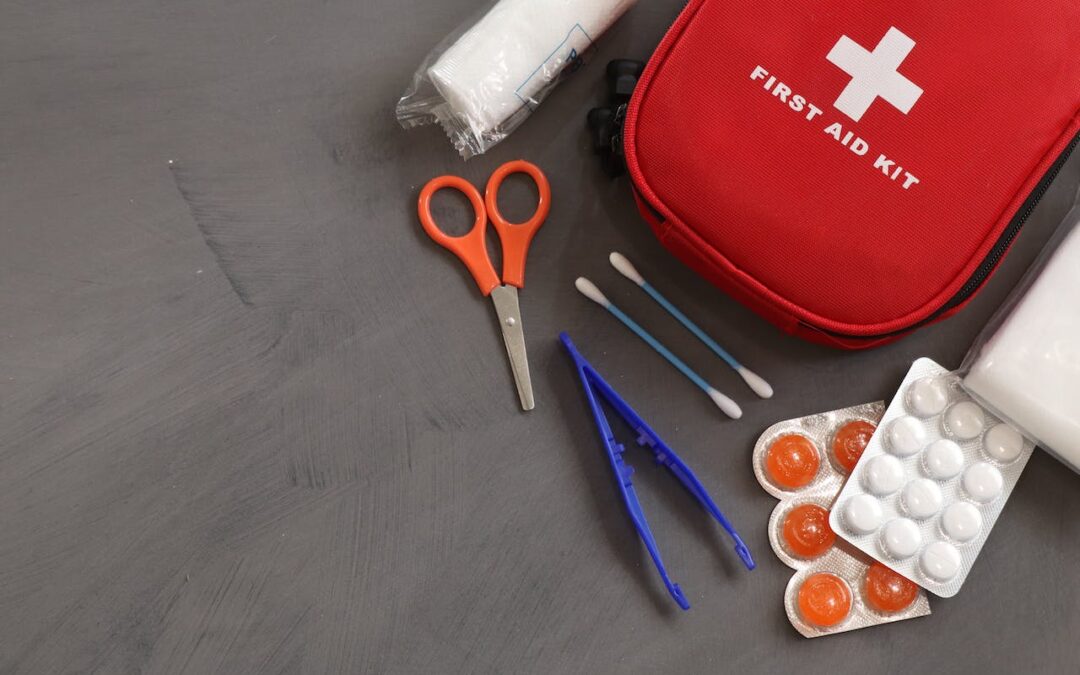
Living with irritable bowel syndrome (IBS) comes with its unique set of challenges, especially when unexpected symptoms strike in social or public settings. Crafting a well-thought-out emergency kit can be a game-changer, offering peace of mind and practical solutions when you need them most. In this article, we’ll guide you through the process of planning and creating your essential IBS emergency kit.
Within this article, we’ll delve into the plan of action necessary for you to adeptly manage symptoms related to Irritable Bowel Syndrome (IBS). By following these practical steps, you can construct a thoroughly equipped and methodically organized IBS emergency kit, addressing your distinct needs and guaranteeing preparedness for unforeseen circumstances.
1. Choosing the Right Container: Select a compact, easily portable container or pouch that fits comfortably in your bag or pocket. This ensures your emergency kit is readily accessible whenever you need it.
Actionable Steps:
- Choose a compact, sturdy container with secure closures.
- Ensure the container is waterproof or has a water-resistant lining.
- Choose a container that fits comfortably in your bag or pocket.
2. Wet Wipes for Gentle Cleaning:
Pack a supply of unscented, hypoallergenic wet wipes for effective and gentle cleaning. Look for flushable wipes to maintain convenience.
Actionable Steps:
- Purchase a pack of unscented, hypoallergenic wet wipes.
- Check for flushable wipes for added convenience.
- Keep the pack sealed to prevent drying out.
3. Tissues for Various Purposes:
Include a small stack of tissues for drying hands and providing additional cleanliness. These multi-purpose items can prove invaluable in various situations.
Actionable Steps:
- Choose a compact, sturdy container with secure closures.
- Ensure the container is waterproof or has a water-resistant lining.
- Opt for a container that fits comfortably in your bag or pocket.
4. Hand Sanitizer for On-the-Go Hygiene:
Carry a travel-sized hand sanitizer with at least 60% alcohol content to sanitize your hands when soap and water are not readily available.
Actionable Steps:
- Purchase a travel-sized hand sanitizer with at least 60% alcohol.
- Keep the sanitizer in an outer pocket for quick access.
- Refill the sanitizer as needed.
5. Disposable Bags for Discreet Disposal:
Add a few disposable bags to your kit for the discreet disposal of soiled clothing or used items. Sealable plastic bags work well for this purpose.
Actionable Steps:
- Purchase a travel-sized hand sanitizer with at least 60% alcohol.
- Keep the sanitizer in an outer pocket for quick access.
- Refill the sanitizer as needed.
6. Spare Clothing for Unexpected Situations:
Pack a spare set of underwear and lightweight, foldable clothing. Choose dark colours to minimize the visibility of any potential stains.
Actionable Steps:
- Pack a spare set of underwear in a sealable bag.
- Choose lightweight and foldable clothing in dark colors.
- Update the spare clothing periodically to match the season.
7. Hygiene Products for Added Comfort:
Include personal hygiene items such as individually wrapped sanitary wipes or feminine hygiene products to enhance cleanliness and comfort.
Actionable Steps:
- Include individually wrapped sanitary wipes or feminine hygiene products.
- Check expiration dates and replace items as needed.
- Keep these items in a separate compartment for easy access.
8. IBS Medications in Original Packaging:
If you take medications for your IBS symptoms, carry a small supply in your kit. Ensure they are stored in their original packaging with clear instructions.
Actionable Steps:
- Carry a small supply of your IBS medications in their original packaging.
- Include clear instructions or dosage information.
- Keep an eye on expiration dates and replenish as necessary.
9. Emergency Card for Quick Reference:
Create a small card with essential information, including your name, emergency contact details, and any pertinent medical information. Keep this card in the kit for quick reference in case of an emergency.
Actionable Steps:
- Create a small card with essential information.
- Include your name, emergency contact details, and pertinent medical information.
- Keep the card in a visible pocket within your kit.
10. Portable Water Bottle for Hydration:
Carry a small, refillable water bottle to stay hydrated. Proper hydration is crucial for managing IBS symptoms, and having water on hand is beneficial.
Actionable Steps:
- Purchase a small, durable, and leak-proof water bottle.
- Fill the bottle with water before leaving home.
- Regularly clean and refill the bottle to ensure freshness.
11. Anti-bacterial Ointment for Minor Irritations:
Include a small tube of anti-bacterial ointment for minor cuts or irritations that may occur during bathroom emergencies.
Actionable Steps:
- Select a travel-sized anti-bacterial ointment.
- Keep the ointment in its original packaging for easy identification.
- Check the expiration date periodically and replace as needed.
12. Disposable Gloves for Added Cleanliness:
For an extra layer of cleanliness, consider including a pair of disposable gloves. These can be particularly useful when dealing with unexpected messes.
Actionable Steps:
- Purchase disposable gloves in the appropriate size.
- Keep gloves in a sealable plastic bag within your kit.
- Replace gloves after use or if the packaging is compromised.
13. List of Trigger Foods for Informed Choices:
Create a list of your known trigger foods. This can help you make informed choices when dining out or selecting snacks.
Actionable Steps:
- Create a list of known trigger foods based on personal experience.
- Keep the list in your kit and update it as needed.
- Review the list before making food choices in various settings.
14. Emergency Snacks for Sustenance:
Pack non-perishable, easily digestible snacks in case you need to eat but are limited in food options. Examples include crackers, rice cakes, or plain granola bars.
Actionable Steps:
- Choose non-perishable snacks with minimal triggers.
- Pack a variety to cater to different cravings or needs.
- Rotate snacks periodically to avoid staleness.
15. Breath Mints or Gum for Freshening Up:
Include breath mints or gum for a quick freshening up after dealing with IBS symptoms.
Actionable Steps:
- Include a small container of breath mints or gum.
- Ensure the container is tightly sealed to maintain freshness.
- Replace the container when the contents are running low.
16. Identification for Unforeseen Circumstances:
Carry your identification documents, such as a driver’s license or ID card, for any unforeseen circumstances.
Actionable Steps:
- Carry your identification documents in a protective holder.
- Keep the holder in an easily accessible pocket of your kit.
- Update information if there are changes in personal details.
17. Instructions for Others if Comfortable:
If you are comfortable, include a small note with instructions on how others can assist you in case of an emergency.
Actionable Steps:
- Create a small note with concise instructions for assistance.
- Include contact details for an emergency contact person.
- Share the information with close friends or family if comfortable.
18. Regular Kit Checks for Ongoing Preparedness:
Periodically check and replenish items in your kit to ensure that it remains fully equipped and ready for use.
Actionable Steps:
- Set a monthly reminder to check and replenish items.
- Discard expired or damaged items promptly.
- Ensure the kit is easily accessible and visible in your bag.
Creating your IBS emergency kit is an empowering step towards managing symptoms with confidence. Tailor your kit to your specific needs, and don’t forget to regularly check and update it. With a well-prepared emergency kit by your side, you can navigate the challenges of IBS more confidently and focus on enjoying life to the fullest.